

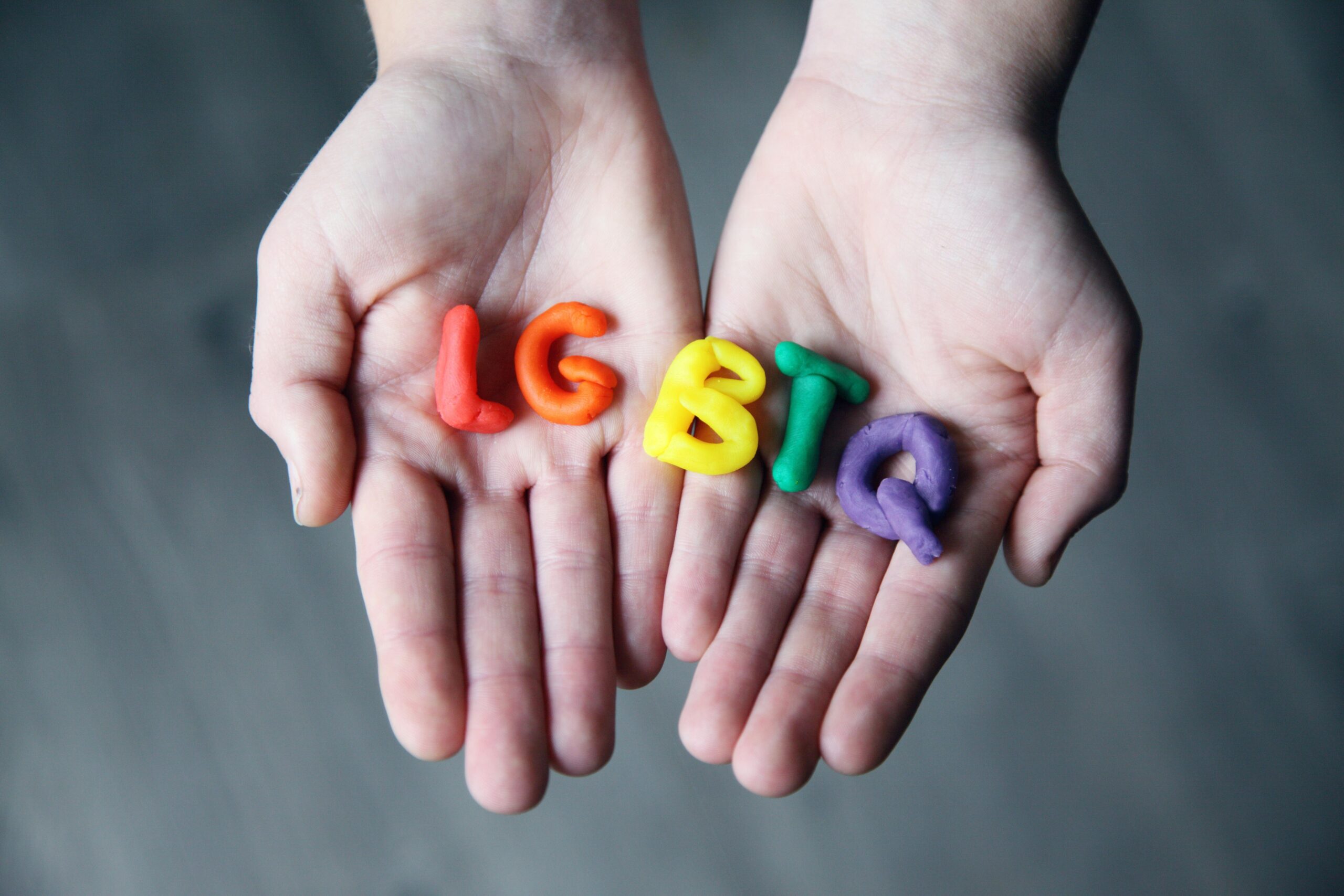
Same-sex marriage in India remains a hotly debated topic, blending cultural traditions, legal battles, and evolving social norms. As of 2026, same-sex unions are not legally recognised nationwide, despite a landmark Supreme Court decision in 2023. This article explores the current legal status of same-sex marriage in India, key court rulings, societal hurdles, and what lies ahead for LGBTQ+ rights.
Historical Context of Same-Sex Marriage in India
India’s tryst with same-sex relationships dates back centuries. Ancient texts like the Kama Sutra and temple carvings at Khajuraho depict same-sex love openly, suggesting acceptance in pre-colonial eras. Colonial-era Section 377 of the Indian Penal Code (IPC), introduced in 1860, criminalised “carnal intercourse against the order of nature”, pushing LGBTQ+ lives underground.
Decriminalisation came in 2018 with Navtej Singh Johar v. Union of India, where the Supreme Court struck down Section 377 for consensual adult same-sex relations. This was a pivotal win, but it stopped short of marriage rights. Activists argue it opened doors for broader equality, yet same-sex marriage in India lags behind 37 countries that have legalised it.
In Hindu mythology, figures like Ardhanarishvara (half-male, half-female Shiva) symbolise gender fluidity, challenging rigid binaries. Post-independence, however, conservative interpretations dominated, fuelled by patriarchal norms.
The 2023 Supreme Court Ruling on Same-Sex Marriage
The defining moment arrived in October 2023 with Supriyo @ Supriya Chakrabarty v. Union of India. Five petitioners sought recognition of same-sex marriage under the Special Marriage Act (SMA), 1954, a secular law for interfaith couples.
A Constitution Bench led by Chief Justice D.Y. Chandrachud ruled 3:2 against it. Key points:
- No fundamental right to marriage: Marriage isn’t a fundamental right under Articles 14 (equality), 19 (freedoms), or 21 (life/liberty). Personal laws govern unions.
- Legislative domain: Courts can’t “read in” queer marriage into existing laws; Parliament must act.
- Separate opinions: Justices Sanjay Kishan Kaul and S.R. Bhat urged civil unions for queer couples, offering benefits like inheritance without the “marriage” label.
The verdict acknowledged discrimination but deferred to lawmakers. Post-ruling, queer couples gained limited wins, like hospital visitation rights in some states, but no nationwide marriage equality.
Timeline of Key Milestones
- 2009: Naz Foundation challenges Section 377 (initially decriminalised, later overturned).
- 2014: NALSA v. Union of India recognises transgender rights as a third gender.
- 2018: Section 377 decriminalised.
- 2022: Kerala registers first same-sex live-in couple.
- 2023: Supriyo’s verdict denies marriage rights.
- 2025: The parliamentary committee reviews the LGBTQ+ bill; no progress by early 2026.
Current Legal Status of Same-Sex Marriage in India (2026 Update)
As of February 2026, same-sex marriage is not legal in India. No central law recognises it, and personal laws (Hindu Marriage Act, Indian Christian Marriage Act) define marriage as heterosexual.
- Live-in relationships: Protected under Article 21, but no inheritance or adoption rights for same-sex partners.
- State variations: Tamil Nadu offers welfare schemes for transgender people; the Delhi High Court (2023) mandated gender-neutral toilets in schools.
- Transgender progress: The 2019 Transgender Persons Act allows self-ID, but marriage remains cis-heteronormative.
Internationally, India’s stance contrasts with Nepal (legal since 2023) and Taiwan (2019). A 2024 Pew survey showed 53% of urban Indians support same-sex marriage, up from 37% in 2013, signalling shifting attitudes.
Challenges Facing Same-Sex Marriage Legalisation
Legalising same-sex marriage in India faces multi-layered obstacles.
Societal and Cultural Barriers
Deep-rooted patriarchy and religious conservatism dominate. Orthodox Hindu, Muslim, and Christian groups view marriage as procreation-centric. A 2025 ORF report noted 70% rural opposition, versus 45% urban support. Violence persists—NFHS-5 data shows 5% of LGBTQ+ individuals face family rejection.
Political Inertia
No major party prioritises it. BJP cites “Indian ethos”; opposition focuses on electoral gains. The 2025 Law Commission recommended civil unions, but it was ignored by Parliament.
Legal Hurdles
- Uniform Civil Code (UCC): Article 44 pushes UCC, but Uttarakhand’s 2024 UCC excludes same-sex marriage.
- Adoption and surrogacy: CARA ban on single/same-sex adoption; surrogacy laws favour married heterosexuals.
| Challenge | Impact | Example |
| Religious opposition | Delays legislation | RSS statements against “Western import”. |
| Lack of data | Weak advocacy | No national LGBTQ+ census |
| Federalism | Patchy state policies | Kerala vs. Uttar Pradesh contrasts |
Global Comparisons and Lessons for India
Over 30 nations recognise same-sex marriage. The U.S. (Obergefell v. Hodges, 2015) emphasised dignity; Ireland’s 2015 referendum showed public buy-in works.
India could adopt:
- Civil unions first: like Israel’s model, offering rights without “marriage”.
- Judicial push: PILs in high courts for interim relief.
- Corporate advocacy: 40% of Fortune 500 firms support LGBTQ+ inclusion, pressuring policy.
Taiwan’s 2019 success via public education offers a roadmap: activism plus dialogue.
Road Ahead: Pathways to Same-Sex Marriage Recognition
Optimism persists. Strategies include:
- Legislative reform: Push a Queer Persons’ Rights Bill via a private member’s bill.
- State pioneers: Kerala or Delhi could lead with local laws.
- Judicial review: Challenge SMA’s gender specificity under Article 14.
- Public campaigns: Leverage Pride marches (Delhi Pride 2026 drew 10,000) and influencers.
By 2030, experts predict civil unions if awareness grows. Youth support (80% Gen Z per 2025 YouGov poll) could tip the scales.
NGOs like Humsafar Trust advocate tirelessly, training lawyers and counselling couples. International pressure via UNHRC reviews adds momentum.
Conclusion: Towards Marriage Equality
Same-sex marriage in India is at a crossroads—decriminalised but unrecognised. The Supriyo verdict was a setback, yet it ignited discourse. With rising acceptance and global precedents, legalisation feels inevitable. For queer Indians, it’s not just legal—it’s about dignity, family, and equality.